- Home
- Professionals
- Dr. Leonard Epstein on Family-Based Obesity Treatments
Dr. Leonard Epstein on Family-Based Obesity Treatments
NIH NEWS IN HEALTH
NIH News in Health · Source article
Q&A
Excerpts from our conversation with Dr. Leonard Epstein, a psychologist who specializes in health behavior change at the University at Buffalo.
Read the story Addressing Childhood Obesity in NIH News in Health.NIHNiH: Why are family-based treatments important?
Epstein: Obesity occurs within families, across generations. I believe the most effective treatment involves simultaneously targeting the parent and child for behavior change and weight loss. This has benefits for both the child and parent, with a strong correlation between child and parent (and sibling) weight change. This approach is also more cost-effective than treating the child and parent separately by different health care professionals.
A pediatrician can tell the parent, ‘don’t bring in junk food’ or ‘make sure your kid is not eating it,’ but if the parent is not changing, it’s going to be very difficult for the child. If the parent tells the child ‘don’t eat this ice cream,’ and they’re eating a chocolate bar, the kid is not going to follow.
Our family-based treatment program is based on kids mastering certain skills, like their ability to self-monitor their dietary intake and their activity levels, and to set goals and meet goals. There are also parenting goals: Praising the child for healthy eating. Praising the child for being more active. We do not want the parent to be the food police.
Policing is when a parent asks, “Did you eat that food? Did you do this today? I saw you eat an ice cream cone. Why did you do that?” That kind of parenting in the long run doesn’t work—we’ve demonstrated that in other studies. As opposed to having only healthy food around, and when the child chooses a healthy food because all the food’s healthy, then the parent praises them. Then the child feels empowered because now they’re making a positive choice. The parent is happy. The child is happy because the parent is happy. It strengthens the parent child bond, and it strengthens the positive behavior.
NIHNiH: What are some of the challenges for preventing childhood obesity?
Epstein: We know that kids get heavier throughout childhood. As kids grow, they eat more food. When kids are really young, they don’t have any forward thinking at all. It’s all immediate gratification. But as they get older, they develop more of an ability to understand that maybe I shouldn’t do something now, but I should wait for the better, later benefit.
All prevention is based on engaging in a behavior now for future benefits. Kids are developing that skill throughout their life. It doesn’t fully mature until the early 20s. Food is automatically reinforcing. You eat a donut or something sweet, and you feel good right away. Exercise that kids do on the playground is also highly reinforcing. It’s a lot of fun. But when you start getting into sports and higher level things, you have to work at it. Oftentimes, it’s not fun in the beginning until you get a certain level of skill. Then it becomes fun. So you have these foods that are immediately reinforcing for everybody. Then you have these activities that are not immediately reinforcing.
It’s so easy to make a choice of being sedentary versus active—watching TV versus going for a walk. And our environments are set up now to prompt people to be sedentary for people who are not physically active.
If you took two people who were both the same size and you had them go for a walk, the person who’s a regular exerciser would say, ‘Wow, that was fun.’ But the person who isn't an exerciser would say, ‘Oh, that hurt my legs. And, oh, I'm so tired.’ You have to develop tolerance to the unpleasant aspects of exercise in order for the pleasant aspects to shine through.
NIHNiH: How do you get kids to be more physically active?
Epstein: The best predictor of kids’ activity is parental activity. It’s easy for kids to be sedentary if their whole lifestyle, everything they see is inactive. Finding things kids like and being physically active with them—going on bike rides together, going on walks together, all that stuff—will help. And so will having peers who also are physically active. Kids tend to end up with peer groups that are pretty much like themselves.
But, how do you get a sedentary person, whether they’re a kid or an adult, to start finding exercise more reinforcing? That’s something that a lot of people are trying to figure out.
Further reading and research references
- Healthy Weight Control: Balancing Eating and Exercise
- Shape Your Family’s Habits: Helping Kids Make Healthy Choices
- Step It Up! Get Active for Your Health
- Dejunking Your Diet: The Drawbacks of Ultra-Processed Foods
- Good Sleep for Good Health: Get the Rest You Need
- Nurturing Healthy Neighborhoods: Communities Affect Health
- Positive Parenting: Building Healthy Relationships With Your Kids
- Helping Your Child Who Is Overweight
- Childhood Obesity
- Parent Tip Sheets
- We Can! Ways to Enhance Children’s Physical Activity and Nutrition
- Food Portions: Choosing Just Enough For You
- Obesity and Overweight
- Tips to Support Healthy Routines for Children and Teens
- Child and Teen BMI Calculator (CDC)
- CDC-Recognized Family Healthy Weight Programs
- Physical Activity Guidelines for Americans (HHS)
- The Dietary Guidelines for Americans (HHS)
- How to Understand and Use the Nutrition Facts Label (FDA)
- My Plate (USDA)
- Transgenerational clinical care-The case for family-based treatment.
- Implementing family-based behavioral treatment in the pediatric primary care setting: Design of the PLAN study.
Illustrative archival photograph: National Cancer Institute / Unsplash, used under the Unsplash License. The people or equipment shown are not identified as participants in the research or interviews described here.
Professionals
View more
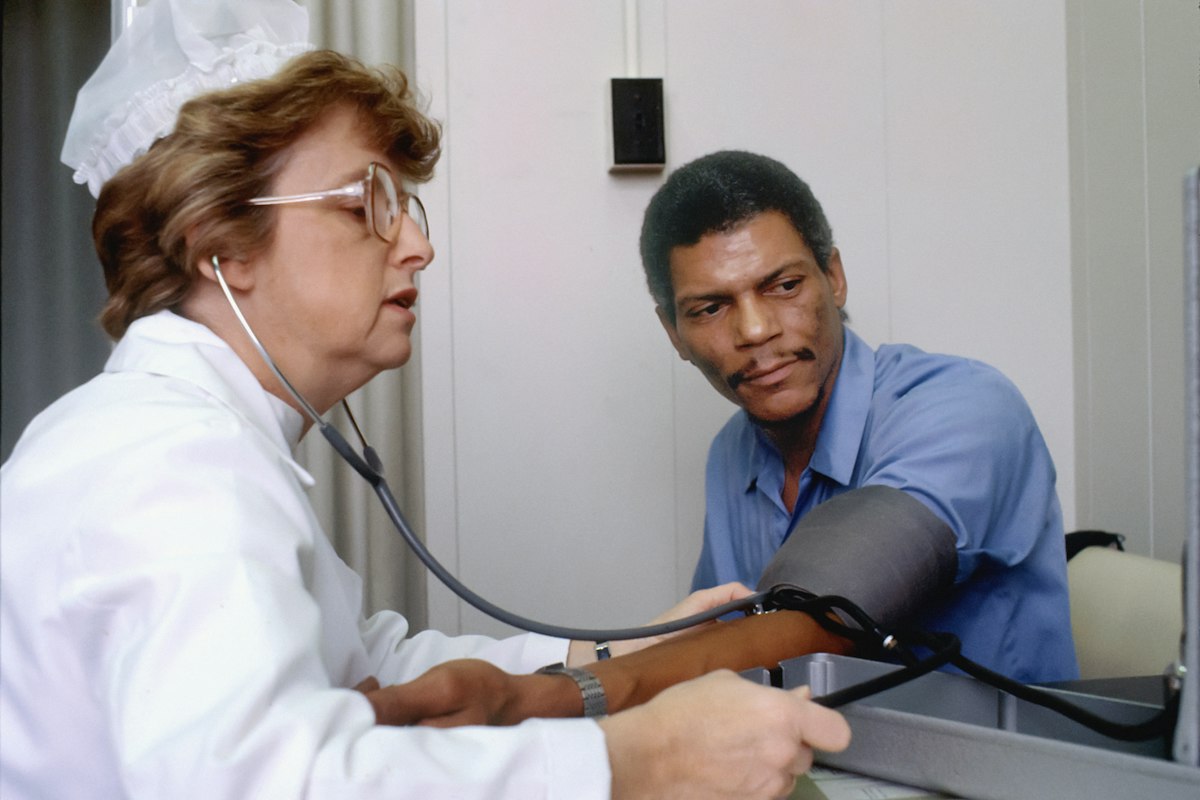
NIH News in Health · Source article Health Capsule Uncontrolled hypertension, or high blood pressure, is the leading cause of death in the U.S. It develops when the force of the blood pushing against the walls of arteries becomes too high. This puts more pressure on the heart and arteries, which puts you at risk for heart disease. Hypertension is more common in low-income populations. Studies have found that people are better at lowering their blood pressure when they have more medical support. But low-income patients are often treated in places with less health care resources. An NIH-funded research team looked at whether providing additional medical support to low-income patients with hypertension could help them lower their blood pressure. The team enrolled 1,200 participants. About half received standard care. The other half received standard care along with additional provider support. They met with healthcare providers more often and received care from multiple types of providers. The patients who received extra care were better able to lower their blood pressure. The additional support helped them more closely follow their personal wellness plans. “This trial showed that a team-based approach to supporting and treating patients with uncontrolled blood pressure in low-income rural and urban areas can effectively lower high blood pressure,” says Dr. Katherine Mills of Tulane University, who led the study. Source: NIH News in Health. Originally published July 2026. Republished by Graymedy on 11 October 2026. This is a sourced NIH article, not a Graymedy interview or original study. Read the original article and its research references. NIH News in Health permits republication of its articles and illustrations with acknowledgement. Research findings retain their original study context. Further reading and research references Halting Heart Attack and Stroke: Get Medical Help Fast Healthy Body, Happy Heart: Improve Your Heart Health High Blood Pressure High Blood Pressure (Older Adults) Systolic Blood Pressure Intervention Trial (SPRINT) Multifaceted strategies for hypertension control in low-income patients Illustrative archival photograph: National Cancer Institute / Unsplash, used under the Unsplash License. The people or equipment shown are not identified as participants in the research or interviews described here.
Boosting Stroke Recovery
Detecting Language Difficulties
Health Coaching May Improve Surgery Recovery

NIH News in Health · Source article Q&A Excerpts from our conversation with Dr. Jonathan Himmelfarb, a kidney-health researcher at Mount Sinai in New York City. Read the story Curbing Chronic Kidney Disease in NIH News in Health. NIHNiH: How can diabetes, obesity, or heart disease lead to kidney damage in some people? Himmelfarb: The kidneys get exposed 24/7 to whatever is in the blood, and some of that can be damaging to the kidneys. In diabetes, people have high blood sugar. There are changes in the amount of fats in the blood, and other Related to metabolism, the chemical changes in the body that create the energy and substances you need to grow, move, and stay healthy. metabolic changes as well. All this creates added work for the kidneys, and over time that can cause damage. It takes around 10 to 15 years for this to happen, but you can eventually get irreparable damage to the kidneys, which can ultimately lead to kidney failure. That’s also true for obesity. Even if your blood sugar is normal, in obesity there are other metabolic changes in the body that can impact the kidneys. High blood pressure is another common condition that directly affects the kidneys. Because the kidneys have so much blood flow through them, a high proportion of their structure is blood vessels. And those blood vessels can be damaged by constant pressure and stress. NIHNiH: Why is developing more personalized therapies for chronic kidney disease important? Himmelfarb: Chronic kidney disease is really a syndrome more than it is a specific disease. It’s a syndrome that’s defined by how well the kidneys are functioning. If there’s a loss of the ability of the kidneys to filter the blood or to prevent leakage of proteins from the blood, that’s chronic kidney disease. But there are many, many different causes that can lead to that syndrome. Even for people with a specific risk factor, like diabetes or obesity, their kidneys can be affected differently. Different cell types in the kidney can be injured in different ways. And the response to injury can vary by the cell type, what’s causing the injury, and your genetic background as well. We’re in an exciting era where, for the first time, we have some very effective drugs for chronic kidney disease. But say you have diabetes and chronic kidney disease, you may improve with drug A. Or your disease may stay stable. But some people will continue to have loss of kidney function on drug A, and might have done better with drug B. Right now, we have no way to know that up front. What the Kidney Precision Medicine Project is designed to do is eventually help doctors pick the right drug or drug combination at the beginning of treatment, rather than through trial and error. NIHNiH: Your team is also building ‘kidney-on-a-chip’ models with human cells. What are the potential advantages over this approach compared to using animals to test new drugs? Himmelfarb: We’ve cured a lot of diseases in animals, but that hasn’t translated to the same benefits when you use those treatments in people. Most drugs still fail when they go into clinical trials. They either turn out to be too toxic, or they’re just not effective. If we can improve that by working with human models from the beginning, and we can shorten the period of time it takes to bring new drugs to patients, that would be a win not just for treating kidney diseases, but other diseases as well. And with organ-on-a-chip models, we can take into account the genetic variation you have in people. Genes can also contribute to what would be the best treatment for an individual, or even for their risk of getting a certain disease in the first place. Source: NIH News in Health. Originally published January 2026. Republished by Graymedy on 11 October 2026. This is a sourced NIH article, not a Graymedy interview or original study. Read the original article and its research references. NIH News in Health permits republication of its articles and illustrations with acknowledgement. Research findings retain their original study context. Further reading and research references Curbing Chronic Kidney Disease: Keep Your Body’s Filters Healthy Preventing Diabetes: Small Steps Can Make a Big Difference Managing Diabetes: New Technologies Can Make It Easier Blood Pressure Matters: Keep Hypertension in Check Chronic Kidney Disease (CKD) Diabetes High Blood Pressure Coronary Heart Disease Kidney Precision Medicine Project Illustrative archival photograph: National Cancer Institute / Unsplash, used under the Unsplash License. The people or equipment shown are not identified as participants in the research or interviews described here.
Dr. Meryl Waldman on Diet and Chronic Kidney Disease
Dr. K.C. Brennan on Understanding and Treating Migraine