- Home
- Opinion
NIH interview: Dr. Meryl Waldman on Diet and Chronic Kidney Disease
Dr. Meryl Waldman
Interview published by NIH News in Health

NIH News in Health · Source article
Q&A
Excerpts from our conversation with Dr. Meryl Waldman, a kidney specialist at NIH.
Read the story “Curbing Chronic Kidney Disease” in NIH News in Health.
NIHNiH: What is the role of diet in treating chronic kidney disease?
Waldman: Dietary changes are part of a larger picture. It’s best to view them as part of a holistic strategy that combines, diet, other lifestyle changes, medicine, and management of the underlying conditions that are often associated with chronic kidney disease.
The balance of each of these elements will vary from person to person, depending on the stage of their chronic kidney disease. There are five different stages of chronic kidney disease, where 1 is just beginning and 5 is kidney failure. Your stage will change what your dietary restrictions are. So dietary changes for chronic kidney disease aren’t a one-time thing. They’re something that evolve over time.
NIHNiH: What are the advantages of medical nutritional therapy for chronic kidney disease?
Waldman: Working with a dietitian is usually targeted towards a healthier lifestyle in general and dealing with things like obesity. Medical nutritional therapy is based on a particular medical problem. And chronic kidney disease may have more dietary restrictions than other diseases.
So if you can, work with a renal (kidney) dietitian who specializes in this. They can take into consideration the stage of your CKD, your other health needs, and your ability to access the recommended foods. A dietitian can also take into consideration cultural things and dietary preferences in general. There’s a lot to take into consideration, and it’s not one-size-fits-all. It can become overwhelming to deal with on your own.
NIHNiH: How do you advise patients to approach dietary changes for chronic kidney disease?
Waldman: Patients tell me that, often, doctors have just told them, “You can’t eat this, or this, or this, or this,” and it just becomes restriction of everything. That’s not empowering, that’s taking away control. It shouldn’t be “what can’t I eat,” but “what can I substitute? How can I make satisfying meals?”
Dietary changes should be something that can flip people from passive recipients of care to active participants in their own health. They can have power every day, at every meal. They can make decisions that help themselves.
And even if they’re not perfect all the time, they should know they can try again at the next meal. It’s not all-or-nothing. Your kidney function isn’t going to decline based on one meal. You can reset and figure out how the next meal can be healthier.
Further reading and research references
- Curbing Chronic Kidney Disease: Keep Your Body’s Filters Healthy
- Preventing Diabetes: Small Steps Can Make a Big Difference
- Managing Diabetes: New Technologies Can Make It Easier
- Blood Pressure Matters: Keep Hypertension in Check
- Chronic Kidney Disease (CKD)
- Diabetes
- High Blood Pressure
- Coronary Heart Disease
- Kidney Precision Medicine Project
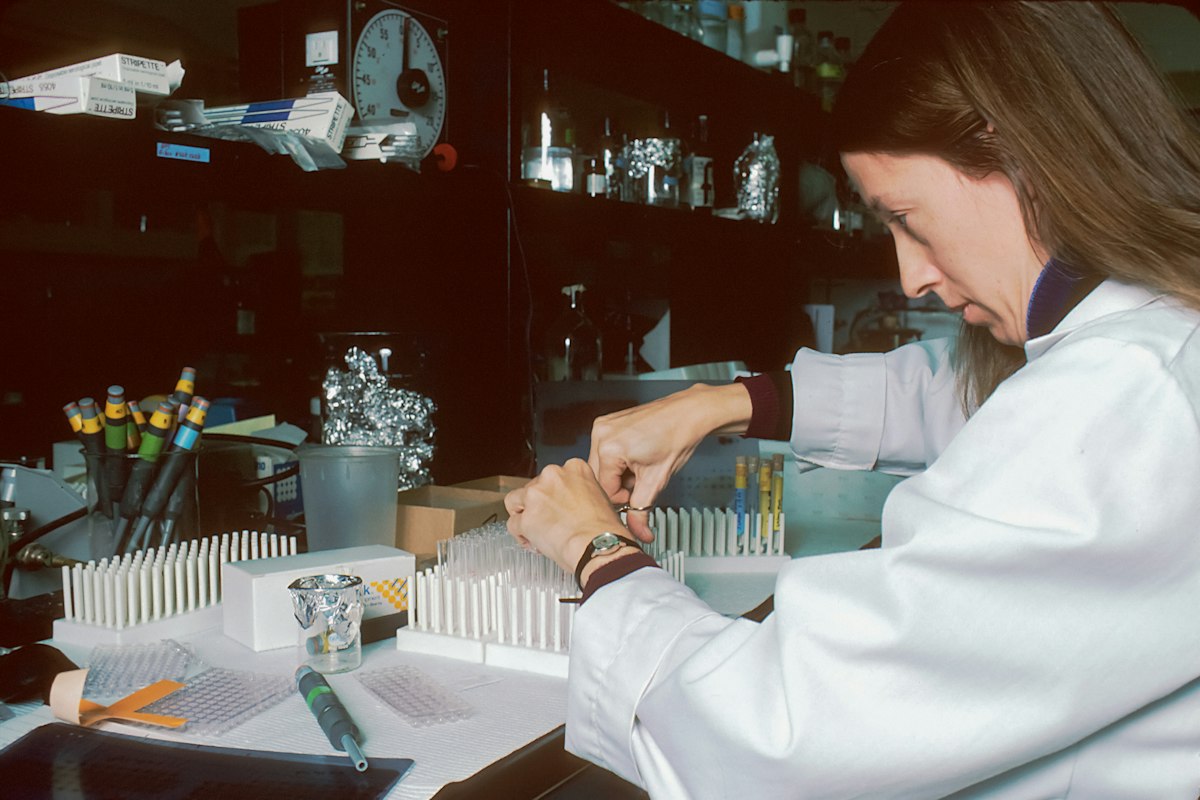
Illustrative archival photograph: National Cancer Institute / Unsplash, used under the Unsplash License. The people or equipment shown are not identified as participants in the research or interviews described here.